

TL;DR
Voice isn’t just another channel, it changes how people think, search, and interact with brands.
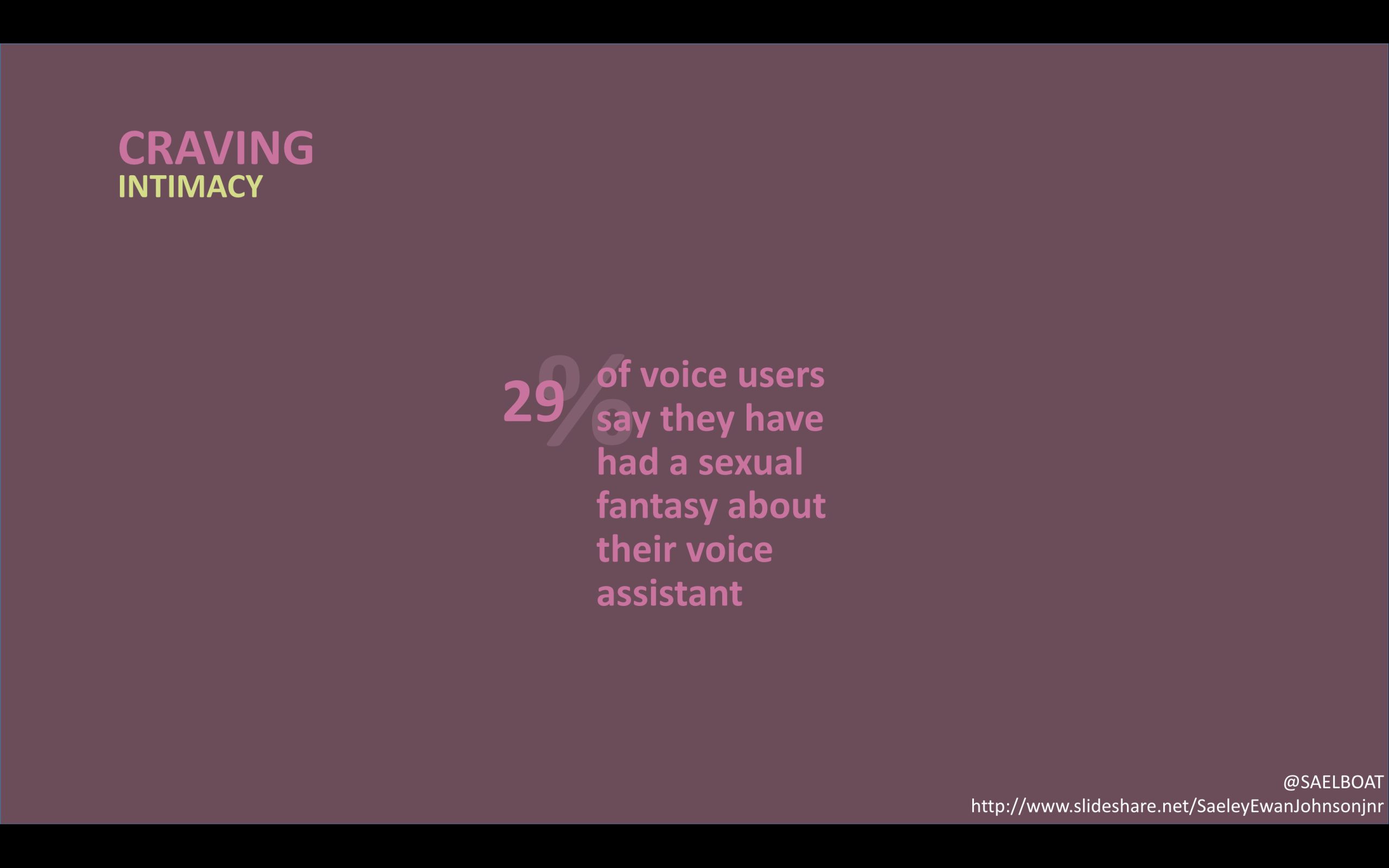
29% of voice users say they have had a sexual fantasy about their voice assistant
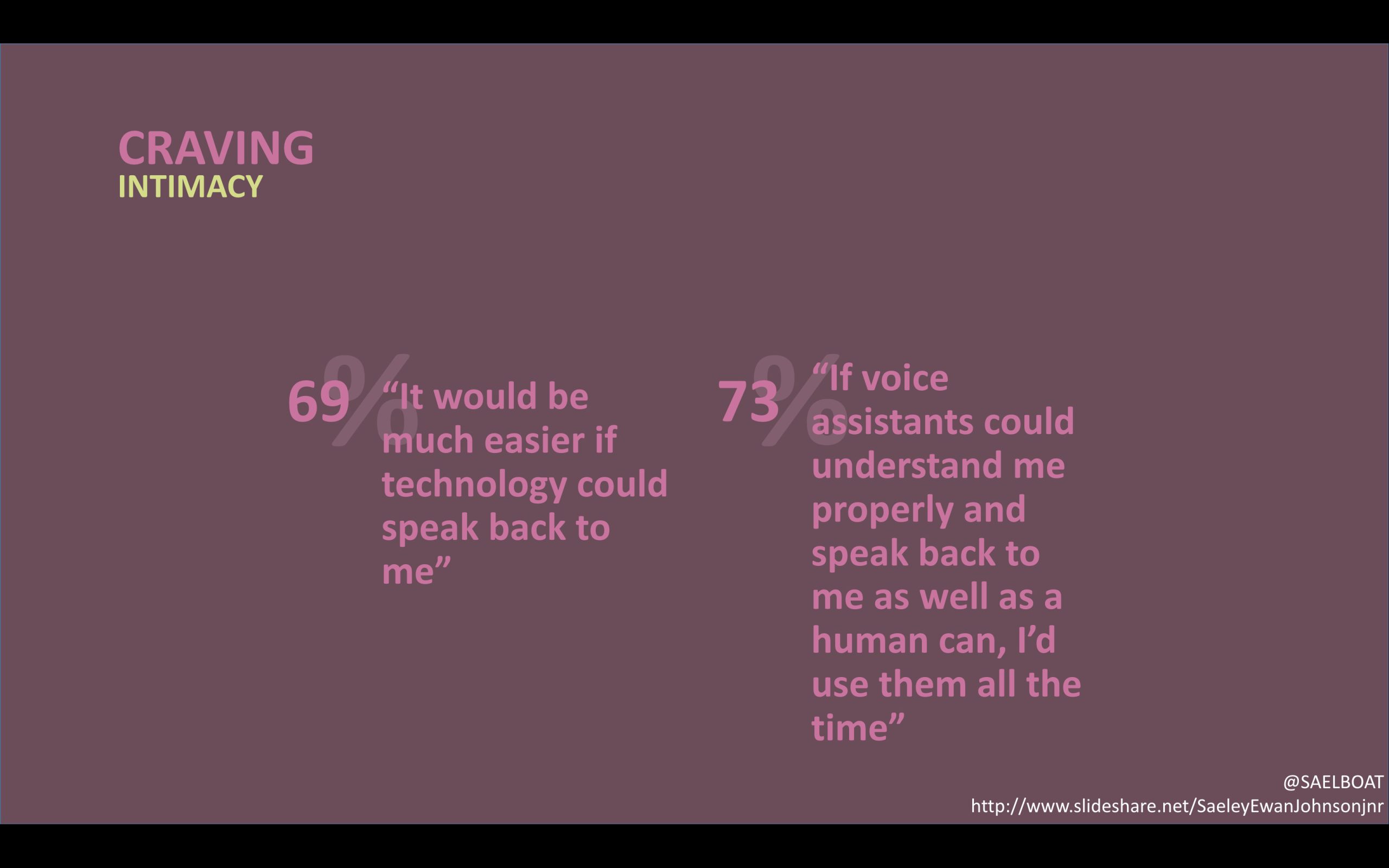
69% “It would be much easier if technology could speak back to me”
73% “If voice assistants could understand me properly and speak back to me as well as a human can, l’d use them all the time”
The Deck


Google Trends for “local weather” queries
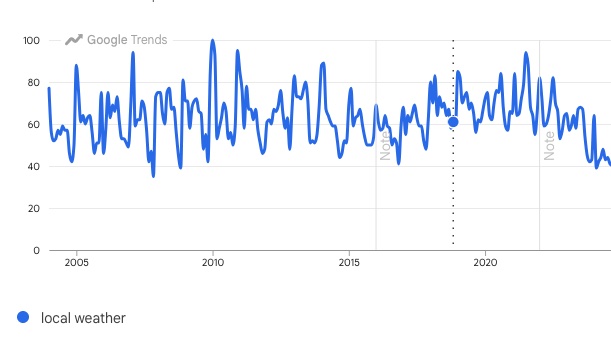
Google Trends data shows traditional keyword-led searches like “weather in London” remaining relatively flat before declining more noticeably post-2020. This suggests a gradual shift away from structured queries as users move toward more natural, conversational search behaviour.
Google Trends for “Do I Need A Jacket”
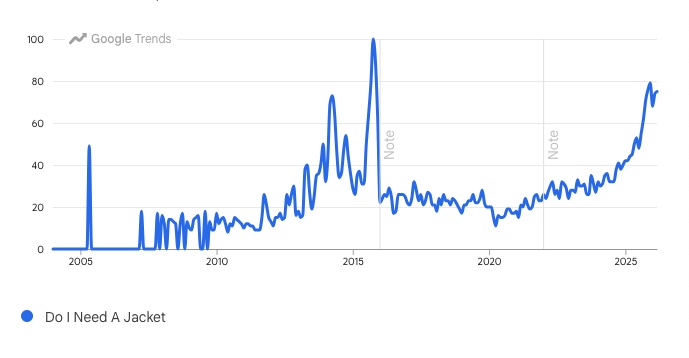
What we’re seeing here is a gradual shift in how people express intent.
Traditional search terms like “weather in London” are structured, efficient, and designed for a search engine. They’re something we’ve learned over time. But they’re not how people naturally think or speak. When you look at the rise of more conversational queries like “do I need a jacket”, you start to see behaviour aligning more closely with real human language.
That shift began with the introduction of voice assistants, where speaking naturally was the default. What’s more interesting is that it didn’t stop there. With the growth of AI and conversational interfaces, that behaviour has carried over into typed search as well.
Search is no longer just about retrieving information. It’s about asking a question in the way you would ask another person. And that changes how content needs to be structured, surfaced, and understood.
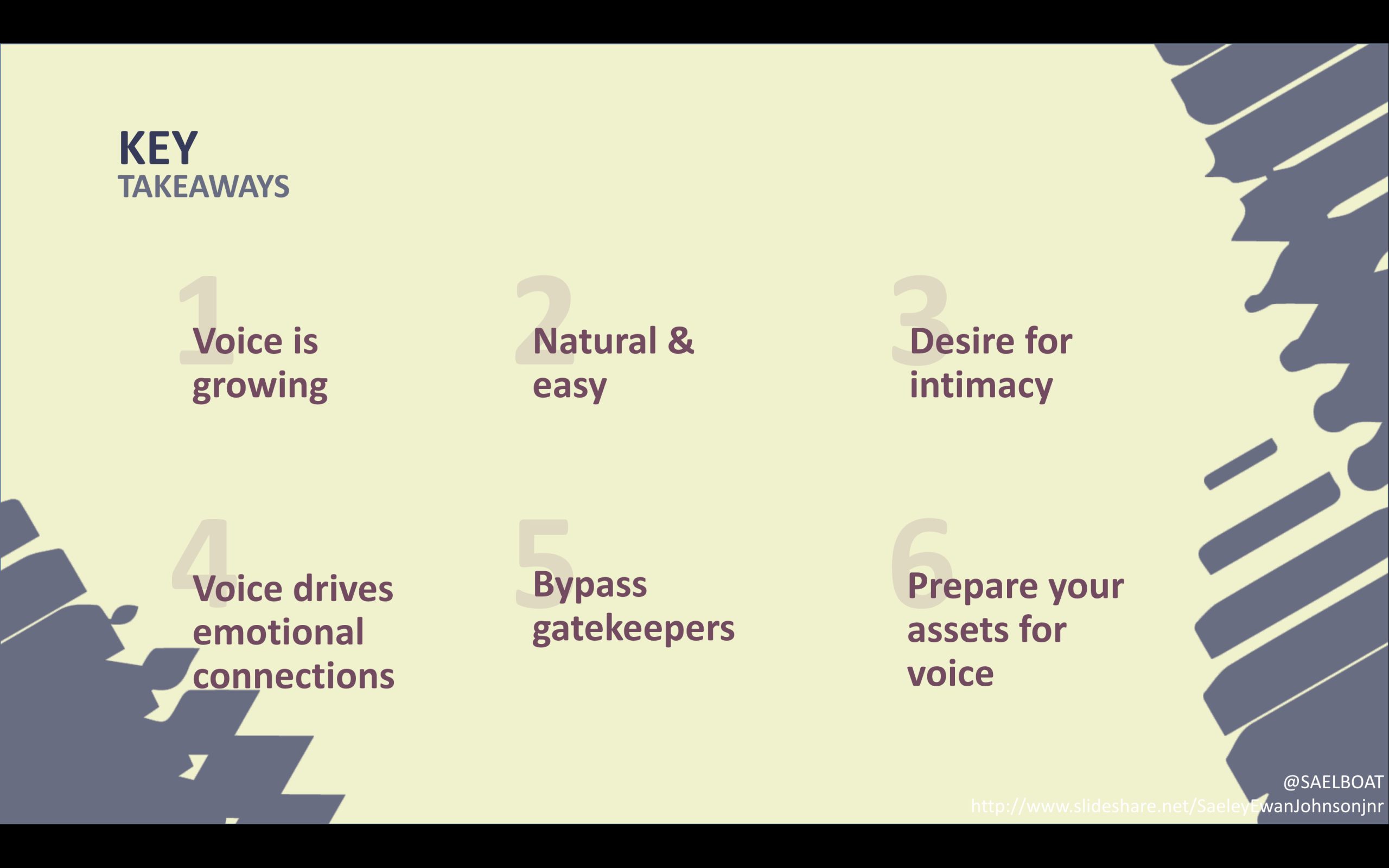
The Cognitive Advantage of Voice
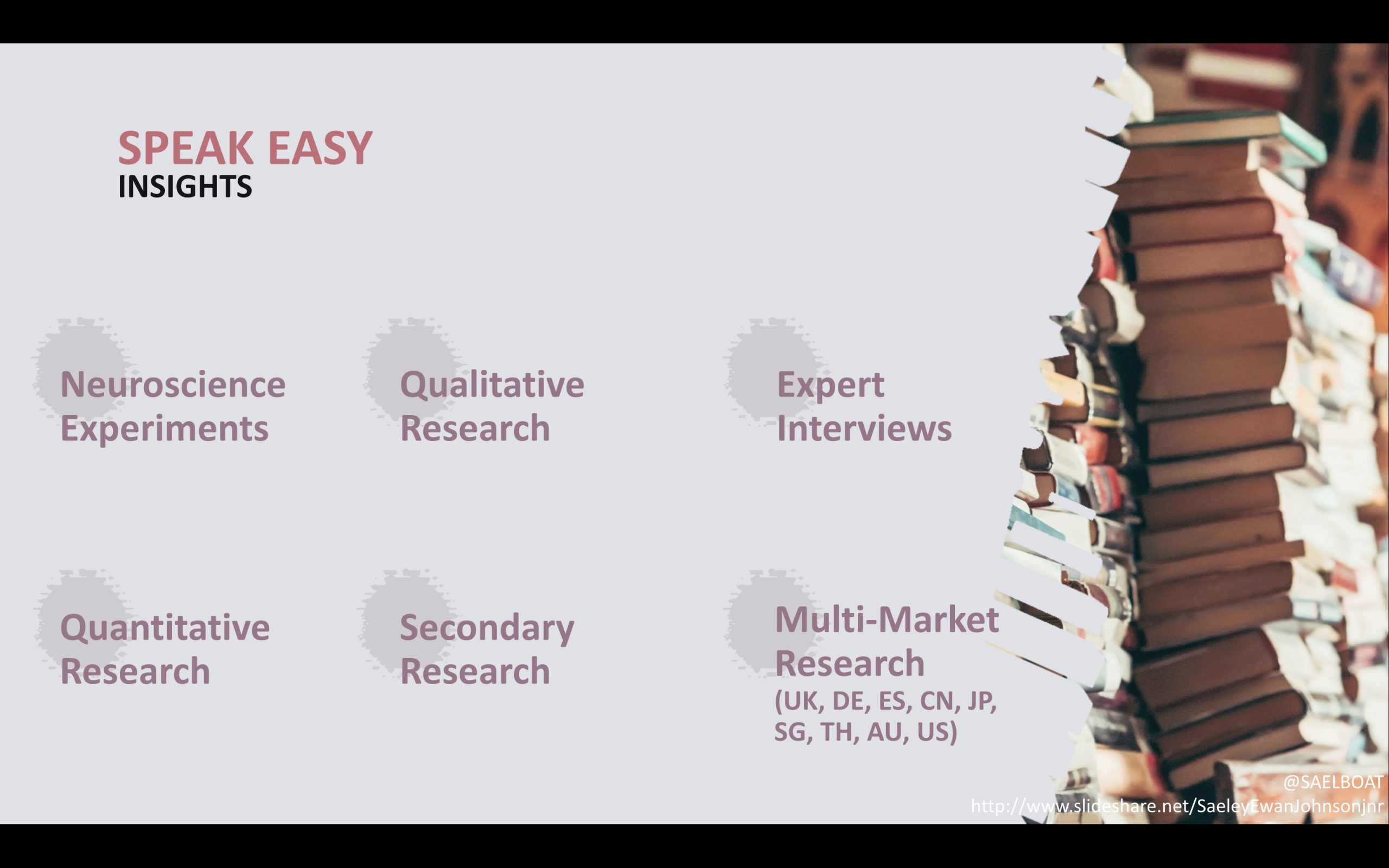
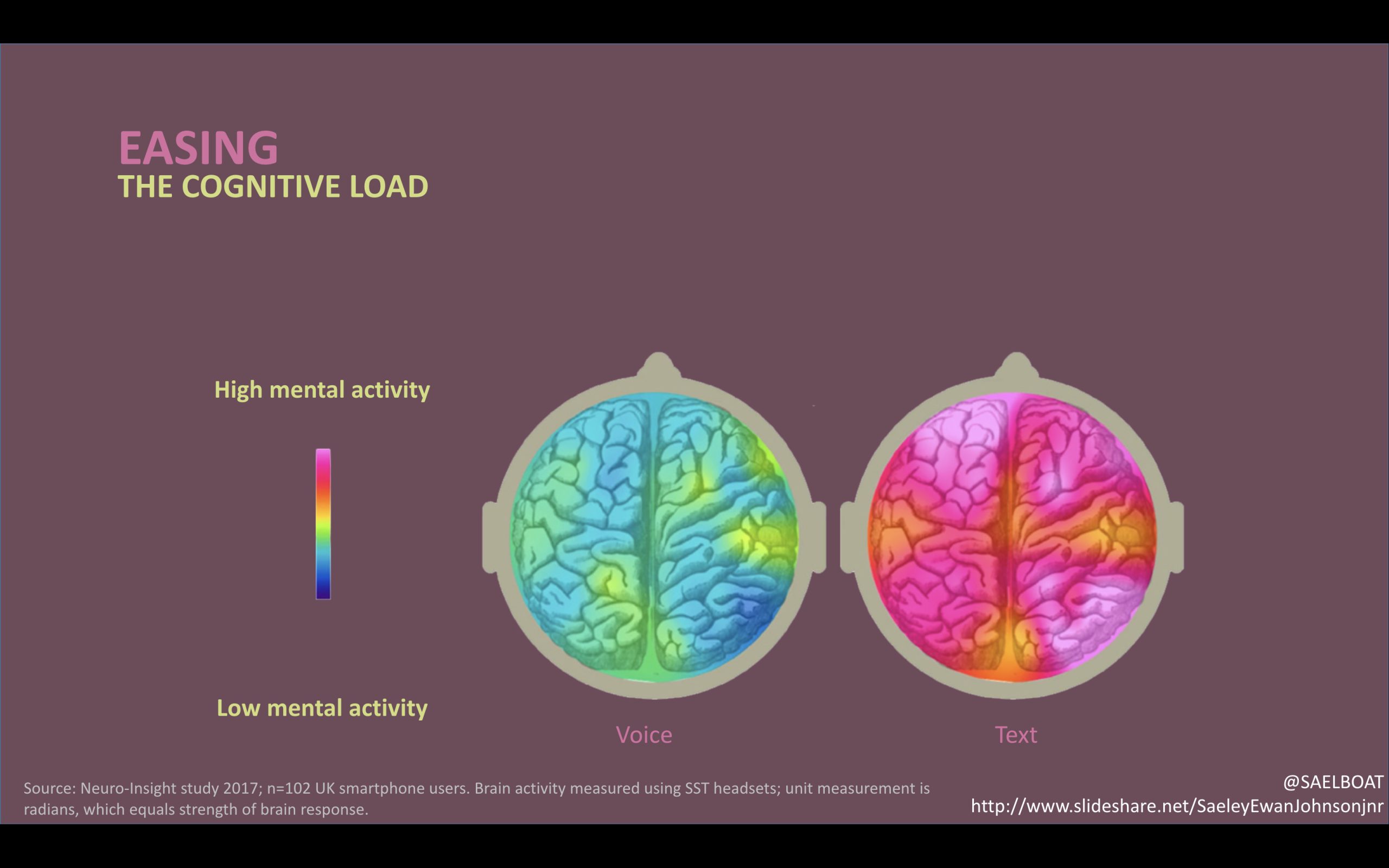
One of the more interesting findings came from neuroscience research. Voice reduces cognitive load compared to typing.
One of the more interesting findings from the research was how different voice and text feel from a mental effort perspective.
Typing is a surprisingly complex process. You have to take a thought, compress it into keywords, physically type it out, and often correct yourself along the way. It’s deliberate and slightly fragmented. Voice removes most of that. You simply say what you’re thinking, as you’re thinking it.
“Voice isn’t just easier, it aligns better with human cognition.”
That reduction in effort makes a difference. It feels quicker, more fluid, and more natural. It also tends to show up in moments where people are busy, distracted, or under some form of pressure.
Voice works not because it’s new, but because it fits more closely with how we already operate.
Moments Matter More Than Keywords
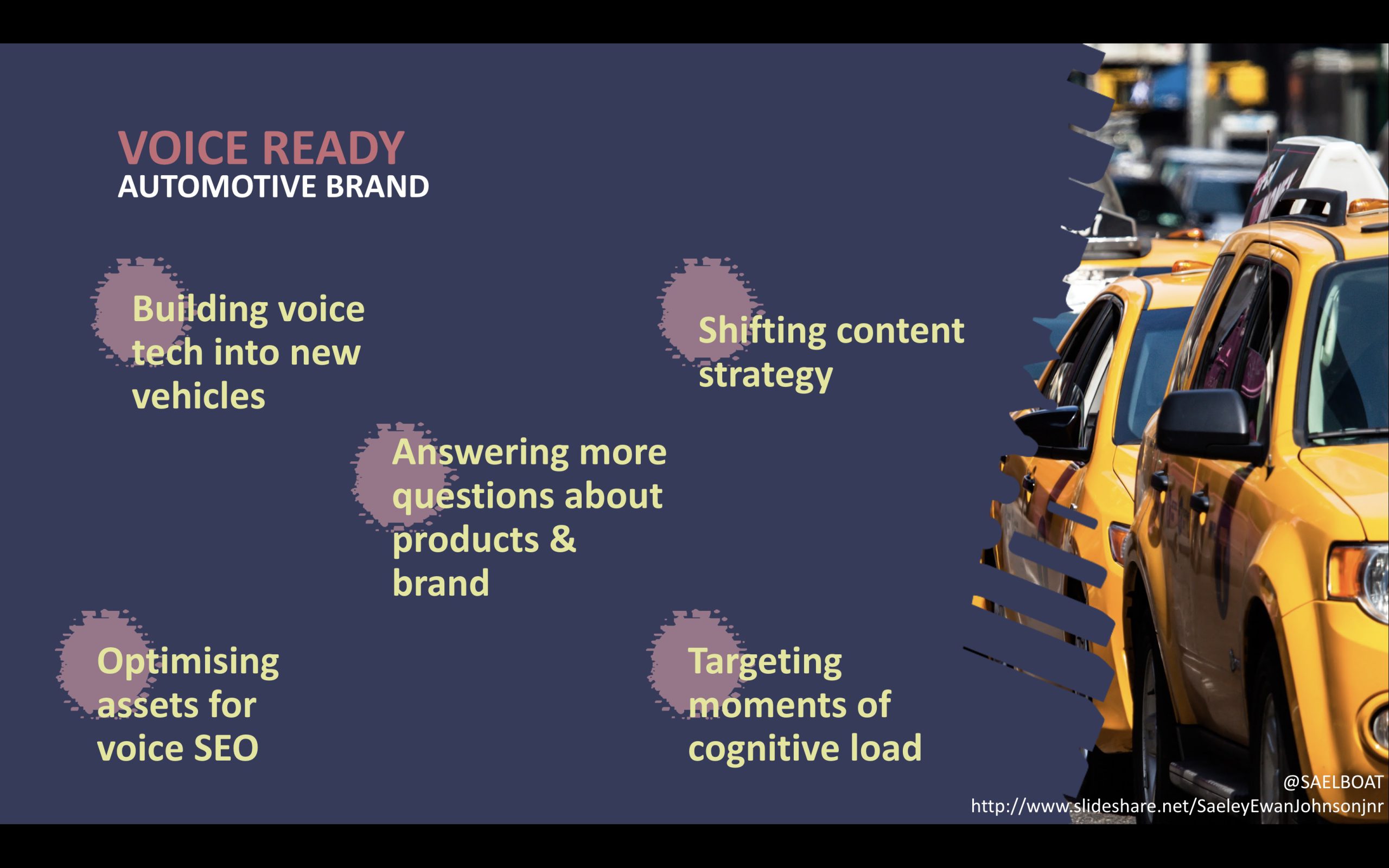
What became clear quite quickly is that voice isn’t just a different way to search, it tends to happen in different situations altogether.
People don’t reach for voice at random. It appears in specific moments. When they’re driving, cooking, rushing out the door, or trying to do two things at once. These are moments where typing feels inconvenient, but speaking feels effortless.
That changes the way you think about intent. It’s less about the exact wording of a query and more about the situation behind it. Why is this being asked right now? What’s happening around the user at that moment?
If you can understand that, you’re not just responding to a search. You’re responding to context.
The Role of Emotion
Voice introduces something that traditional search has always lacked, which is emotional tone.
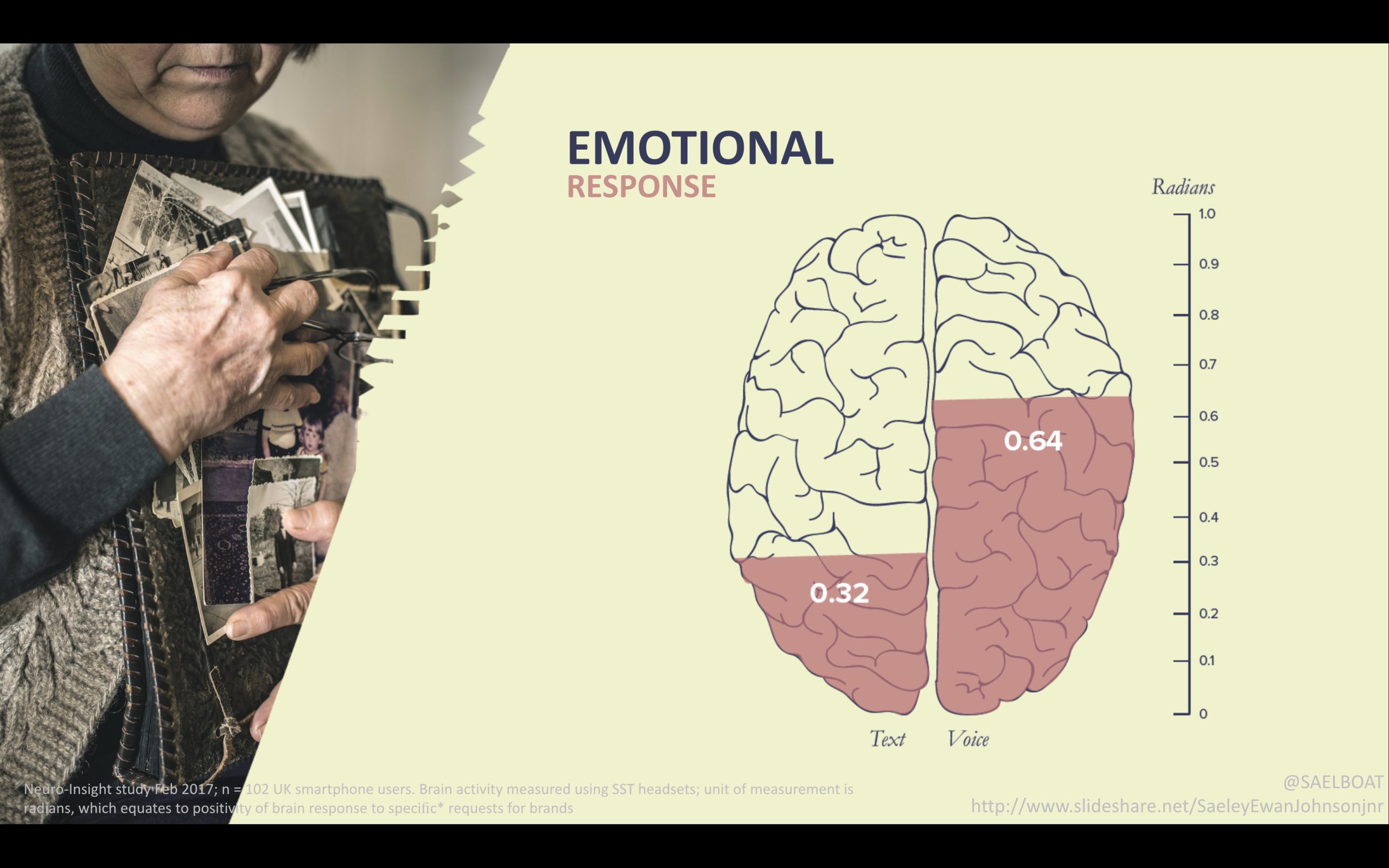
When you speak, there’s a sense of immediacy and expression that doesn’t exist in text. It’s closer to a conversation than a command. The research showed stronger emotional responses when people used voice compared to typing, which makes sense when you consider how we communicate in everyday life.
There’s also an expectation that comes with that. If something feels conversational, people expect a response that feels equally human. Not overly branded or scripted, but clear, helpful, and natural.
That creates an opportunity for brands to connect in a way that goes beyond just providing information. But it also raises the bar in terms of how that interaction needs to feel.
The Intimacy Layer
There’s a level of closeness in voice interactions that you don’t really get elsewhere.
You’re speaking directly, often in private, sometimes in situations where you’re not fully focused on a screen. It feels more personal, even if the interaction itself is simple. Over time, that builds familiarity and a sense of trust, especially when responses are consistent and useful.
What came through in the research was a clear desire for more natural, human-like interaction. People don’t just want accurate answers. They want responses that feel easy to engage with.
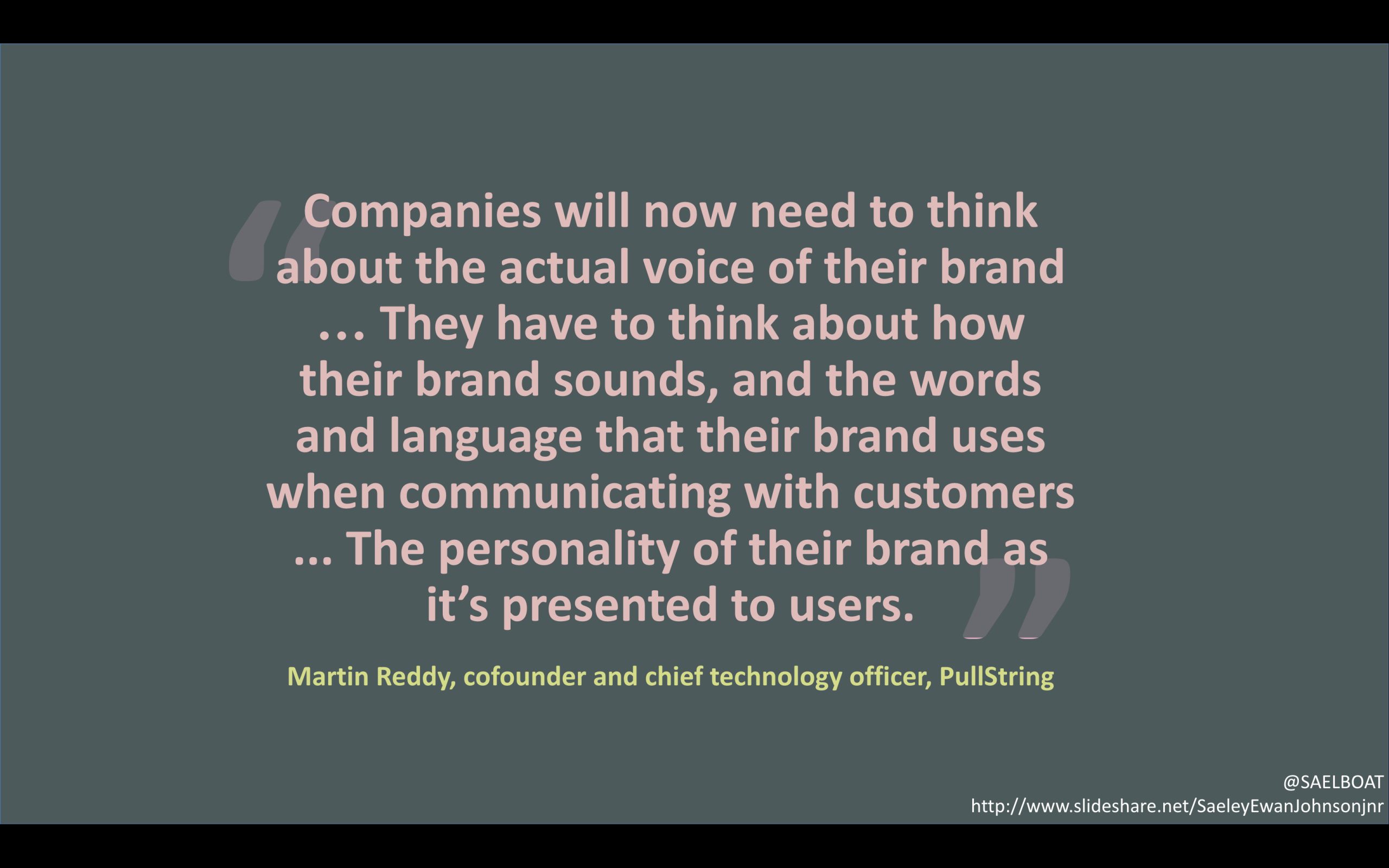
For brands, this shifts the question slightly. It’s not just about what you say, but how it sounds, how it flows, and how it fits into that moment.
The End of “10 Blue Links”
One of the biggest structural changes with voice is the removal of choice.
Traditional search gives you a list of results. You scan, compare, and decide where to click. Voice doesn’t work like that. In most cases, you get a single answer. Maybe two at most, but rarely more.
That changes the dynamic completely. Visibility becomes much more concentrated. Instead of competing for a click among many options, you’re competing to be the answer.
It also reduces the role of browsing. There’s less exploration and more resolution. The user asks, and the system responds.
For brands, this means that being second or third is often the same as not being there at all.